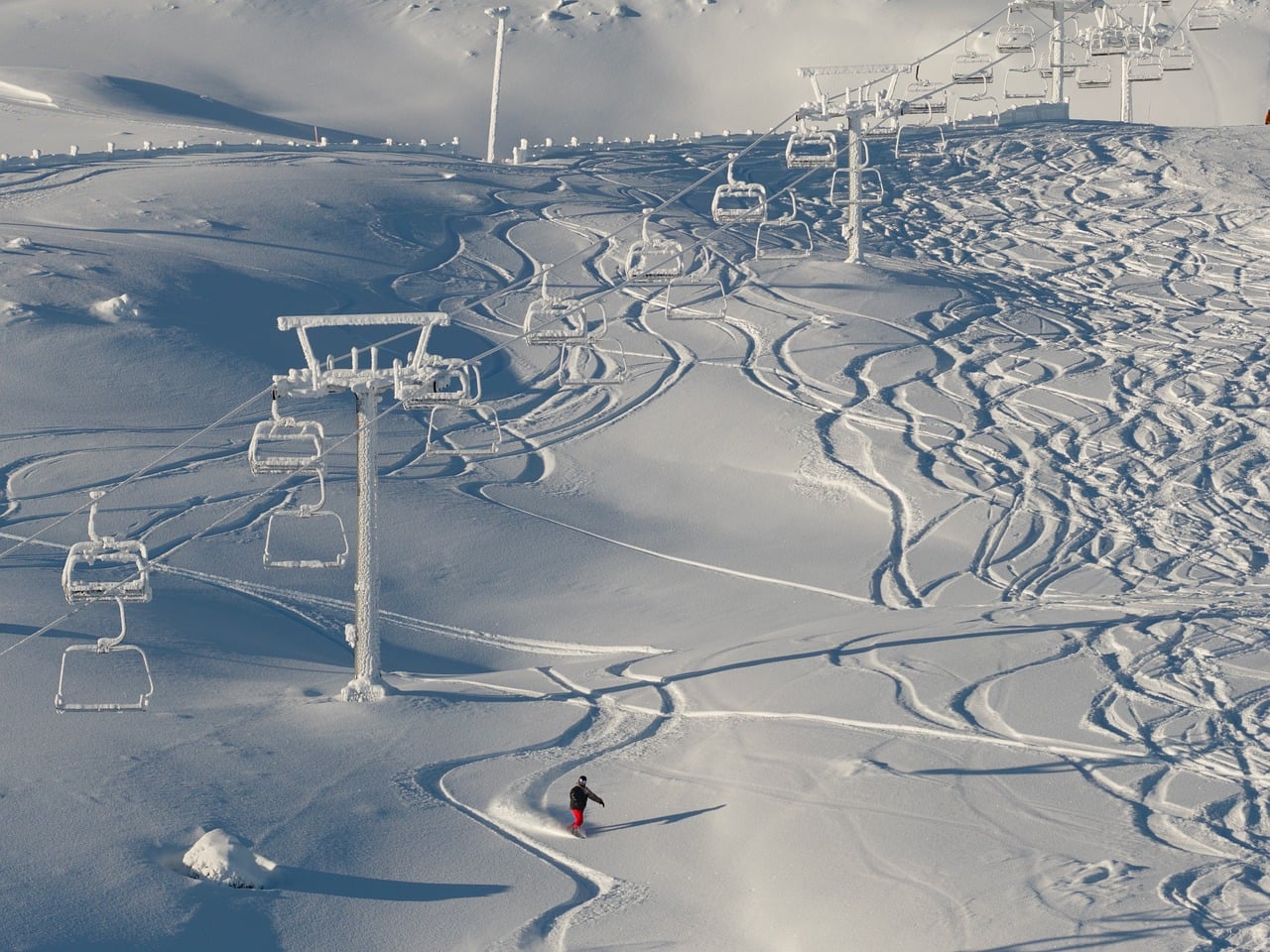
Snow lands on Japan with a consistency few ranges match. The engine sits far west, in Siberia, not overhead. Skiers mapping ski resorts japan by region find rewarding contrasts. One pass may cover a dozen linked hills. Another ticket buys a quiet single mountain and empty trees. What follows examines the weather machine behind the depth, the split between Hokkaido and Honshu, glade etiquette, and smarter timing.
Siberian Air Builds Japan’s Deepest Snowpack
Cold air departs Siberia and crosses the Sea of Japan. The warm Tsushima Current feeds it moisture along the way. Clouds stack, then coastal ranges shove them upward. Dry flakes fall night after night as a result. Storms behave like a tap left running, not isolated blizzards.
What Makes Linked Mountains Worth Exploring?
A single ticket often unlocks several peaks at once.
- Shiga Kogen links roughly 18 areas together
- Hakuba Valley spreads ten resorts along one valley
- Niseko United joins four faces of Annupuri
- Shuttles let riders chase a storm sideways
- Shiga’s altitude stretches the season toward spring
Hokkaido And Honshu Deliver Different Terrain
Hokkaido runs colder, so its crystals land lighter and drier. Rusutsu, Furano and Kiroro offer rounder, gentler shapes. Honshu answers with sharper relief. Happo-one holds Olympic steeps, while Cortina drops straight into birch. Honshu’s Alps hold the steepest ski resorts japan can offer. Pitch matters here more than raw snowfall totals.
Which Tree Runs Reward Careful Riders?
Glades define the Japanese experience more than open bowls. Beech and birch grow spaced, with fresh snow filling every gap. Rules differ by mountain, and gates open on patrol’s terms.
- Check gate status before each lap
- Ride with a partner, never alone
- Carry a beacon, shovel and probe
- Respect ropes marking buried river gullies
Timing A Trip Around Storm Cycles
January delivers the heaviest, coldest falls across both islands. February holds quality while crowds thin after mid-month. March trades depth for sunshine, cheaper beds and longer daylight. During La Niña winters, harder air pushes across Nagano and Niigata. Nozawa and Myoko gain the most from that pattern.
Do Wider Skis Change Deep Days?
Float beats edge grip when snow measures knee-deep by breakfast. Rentals in Niseko and Hakuba stock 100mm waists as standard now. Narrow carvers from home mountains sink fast in beech glades. Boots matter more than width for most visitors, since cold feet end a storm day early.
Powder Math Beyond The Headline Resorts
Hakkoda faces the Sea of Japan with nothing shielding it. Snow arrives raw and frequent, yet queues stay short. That trade-off frames the real decision. Fame buys ramen, English signage and nightlife at Niseko. Distance buys untracked lines until lunch. Picking between the two is the genuine planning problem, not chasing snowfall figures.
FAQs
Which island suits a first winter trip?
Hokkaido rewards anyone whose priority is light, frequent snow and simple logistics from Sapporo. Honshu makes sense for skiers wanting steeper pitches plus castles, onsen towns and rail access from Tokyo.
Is off-piste riding permitted at Japanese resorts?
Policies vary sharply by mountain, with marked gates governing access to patrolled sidecountry. Ducking a rope can void a lift pass and leave rescue costs squarely on the skier.
How long should a powder-focused trip last?
Seven to ten nights absorbs one weak weather window without ruining the plan. Splitting that between two valleys also hedges against warm spells on lower slopes.
You may also like: How to Make the Most of Your 8×8 Canopy in Busy Outdoor Settings
Do beginners find suitable slopes at powder destinations?
Annupuri, Iwatake and the Shiga plateau hold wide, mellow pitches served by slow-moving lifts. Deep snow actually softens falls, which shortens the learning curve for cautious first-timers.